The Cheese of Choice Coalition Interviews Ari Weinzweig
A cheesematters q&a
Cheese of Choice:
With humble beginnings as a neighborhood deli, how did specialty foods and specifically artisan cheese become such a strong focus?
Ari:
We’ve always been focused on full-flavored and traditional foods. That was true from the beginning! And it’s still true now. Over 33 years we’ve learned a LOT! Which of course means that we’ve been able to raise the quality bar on everything we make and sell.
C of C:
You were awarded with a Lifetime Achievement Award from the American Cheese Society in August. CONGRATULATIONS! How have you seen the American cheese community grow through the years and what has motivated you to invest so much passion and energy into it?
Ari:
It has changed enormously! When we opened there were very few American artisan cheesemakers left. A few that come to mind are Vella cheese and Franklin Peluso in California, the Widmer family and Albert Deppeler in Wisconsin. Crowley and Graftonin Vermont, And a few folks starting to make artisan cheese; Laura Chenel comes to mind. Paula Lambert, Vermont Creamery, Westfield Farms came along around that time as well. I remember our first air-shipped order of Laura’s goat cheese arriving at the Deli. Back in ‘82 imports dominated. Today there are so many good American cheeses that we can’t even come close to stocking them all!
C of C:
You are an outspoken proponent of traditional and raw milk cheese. Why are they important?
Ari:
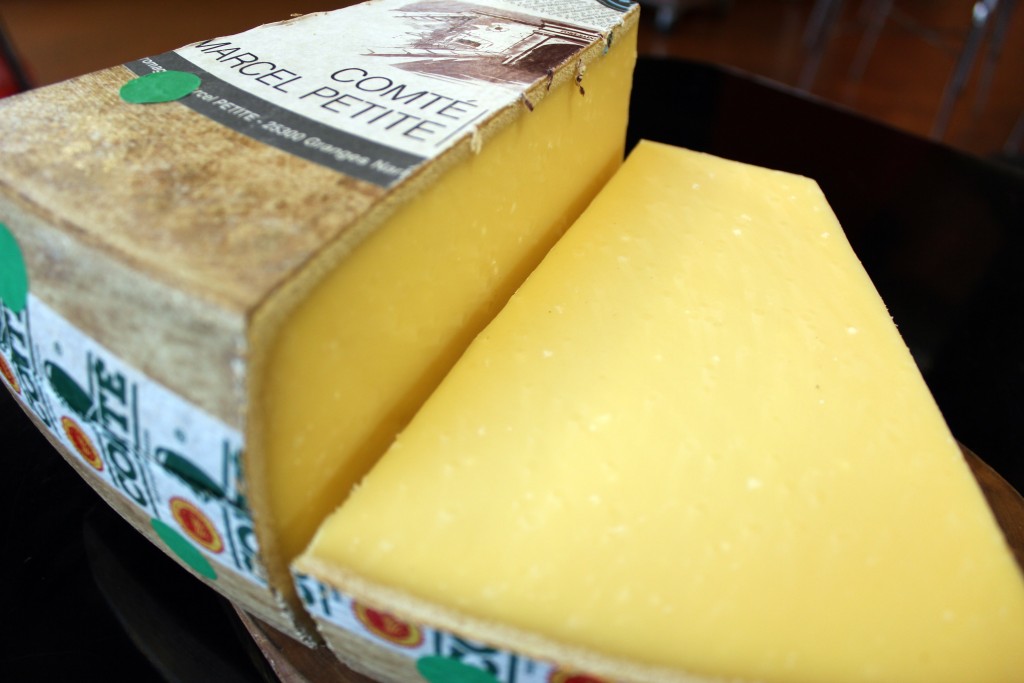
Spanish philosopher Jose Ortega y Gasset said, “A people that abandons its traditions is like a tree with rotten roots. It ends up getting blown away by the wind.” We work hard to be true to tradition and that means, when we can, working with raw milk cheese. It’s clear, of course, that one can make good cheese using both pasteurized and unpasteurized milk, and also bad cheese with both pasteurized and unpasteurized milk. But as a broad general statement I think most folks in the artisan cheese world will agree that great raw milk cheese is a pretty special thing. Consider that the traditional cheese of Louis Pasteur’s home region of Comté must still by law be made only with raw milk!
C of C:
I love that you describe yourself as an anarcho-capitalist, which means among other things, that you believe in the importance of free choice. What is the relationship between cheese and choice?
Ari:
I’ve focused a lot on choice on an internal level. To be mindful of the reality that we’re all making choices all daylong, often about things we don’t even realize that we’re doing. Smiling or not smiling? Being empathic or not, being kind or not, forgiving or not. But clearly free choice in the physical world is of equal import. Given that there have been so few real problems to come from properly made raw milk cheese over the years it seems like the consumer ought to be able to make the choice for his or herself. If you look at all the things we’re legally allowed to do that seem more dangerous than eating cheese, it seems very reasonable that consumers would get to make the call themselves to continue to enjoy some of the world’s best cheese!
C of C:
In your Lapsed Anarchist book series you talk about the overwhelming importance of vision on both the professional and personal scale. Could you elaborate on what “vision” isand why it’s important? What is your vision for the ideal future of traditional cheese?
Ari:
A vision, as we define it here at Zingerman’s, is a picture of what success looks like for us at a particular time in the future. It’s not just a set of financial targets, though it may includes some numbers so that we have sense of scale, scope and clear sense of where we’re headed. Nor it is just nice platitudes or a couple of inspiring, but not particularly meaningful, phrases.
For us, an effective vision needs to be, a) Inspiring to all that will be involved in implementing it; b) Strategically sound, i.e., we actually have a decent shot at making it happen; c) Documented; d) Communicated. I’ve written a lot about it in Part 1 of the Zingerman’s Guide to Good Leading series. My vision for traditional cheese? That there is ever more well-made, traditional cheese, matured, sold and eaten in the US and around the world. That in the process we’ve helped to restore sustainable agriculture in the countryside, helped consumers and chefs and caterers have access to some amazing, hand-crafted, full-flavored cheese. That the cheese makers and retailers and distributors involved are making a reasonable living doing it. And that great cheese has become an accepted element of good American eating!
C of C:
For individuals who want to help support traditionally produced cheese, traditionally produced foods in general, what can they do?
Ari:
Other than supporting the Cheese of Choice Coalition? I guess buy and serve a lot of it! And then certainly speak to local representatives. And sing their praises far and wide!
C of C:
Like you, as a youth I was much more likely to be found eating Kraft Macaroni and Cheese than hand-crafted Camembert, and powdered parmesan than Parmigiano. Do you have an all-time favorite traditional recipe or pairing that’s uses raw milk cheese?
Ari:
Wow. There are so many. Aged Emmental Swiss with a really good mustard. Parmigiano Reggiano with a great honey. I love Italian chestnut honey, but really any of the amazing varietal honeys we’ve got at the Deli would be delicious. Fondue Comtoise (made with Comté cheese), Aged Tuscan sheep cheese with pears.
Zingerman’s is celebrating Raw Milk Cheese Appreciation Week through April 25! Take advantage of all our great raw milk cheeses this week!
See you soon!


